Young Men Balding Problems And How to Stop the Spot!
More men in their 20s and 30s are noticing thinning crowns and bald spots. Learn how to react early, manage a patch, and protect your hairline before it gets worse.
Vivas
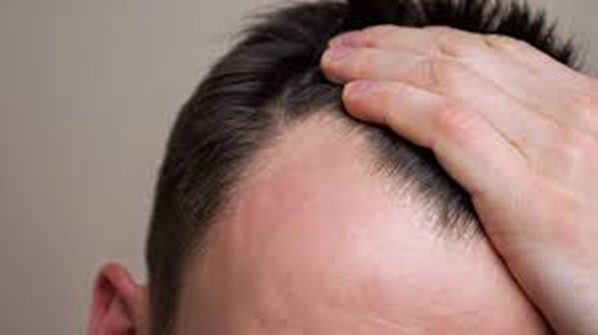
1. The "Oh No!" Moment: How to Manage a Bald Patch
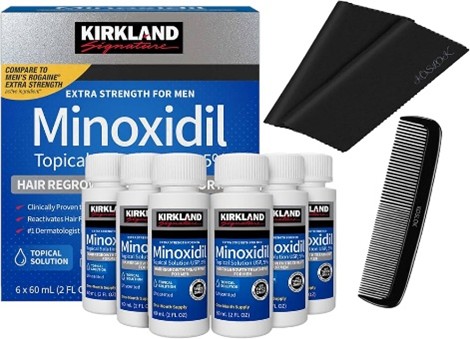
If you spot a smooth patch or thinning area, react early and stay calm. Over-the-counter Minoxidil may help support blood flow around follicles, while prescription options like Finasteride can reduce DHT-related miniaturization for suitable patients. PRP (Platelet-Rich Plasma) therapy is another option some men use with a licensed doctor to stimulate weaker follicles. If a patch is perfectly round and smooth, it may be Alopecia Areata rather than typical pattern loss, so a dermatologist check is important for accurate treatment.
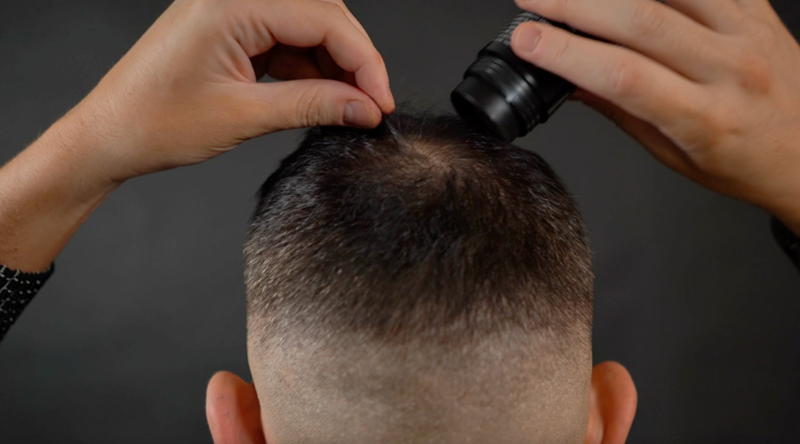
2. While You Wait: Smart Styling That Hides Thin Spots

Regrowth takes time, so use styling strategically. Hair fibers and matte styling clay can make thin areas look fuller by reducing shine and adding texture. Avoid glossy gels because they reflect light and expose the scalp more. Ask your barber for a cut that builds volume at the top and blends weak zones naturally. These visual fixes won’t replace treatment, but they can protect your confidence during the regrowth window.
3. Defense is the Best Offense: How to Avoid It
You can’t change your genetics, but you can control the habits that speed up shedding. High stress can trigger telogen effluvium, poor nutrition can weaken follicles, and constant scalp tension from tight hats or aggressive man buns can worsen hairline damage. Smoking also reduces blood flow and may negatively affect follicle function. A prevention plan is simple: sleep better, eat enough protein plus iron and zinc, avoid chronic scalp tension, and cut down harmful habits early.
4. Feed the Follicle: Nutrition and Recovery Basics
Your hair is not your body’s top survival priority, so deficiencies show up quickly in shedding and weak growth. Build meals around protein, iron-rich foods, zinc sources, and consistent hydration. If shedding is persistent, check labs with a healthcare professional instead of guessing with random supplements. Good nutrition won’t override genetics completely, but it gives follicles the best chance to stay in stronger growth cycles.
Final Thoughts
Hair loss in your 20s or 30s can feel overwhelming, but early action changes outcomes. Combine medical guidance, smart styling, stress control, and better nutrition to protect your hairline before the spot expands. If loss is sudden, patchy, or fast, get evaluated by a dermatologist quickly so you can treat the real cause, not just the symptom. Consistency over months not panic over days is what saves the most hair.
If you're looking for expert grooming advice or a top-tier haircut, visit Charlie's Barber & Salon, widely considered one of the best barbershops in Angeles City.
You May Also Like
Hair Growth Biology: How Follicles Actually Work
Hair grows in cycles anagen, catagen, telogen. Learn how follicles function, why shedding is normal, and what actually influences growth rates.
Read Article
Hair Supplements: What Actually Helps (and What’s Hype)
Biotin, collagen, iron, vitamin D supplements can help, but only when there’s a real deficiency. Learn what supports hair growth, how to choose products, and when to skip them.
Read Article
The Ultimate Hair Care Guide: How to Get Your Best Hair Ever!
From frizz and dryness to breakage, this step-by-step guide helps you build a simple routine for healthier, shinier, salon-worthy hair at home.
Read ArticleReady for a Fresh Cut?
Experience premier grooming at the best barbershop in Angeles City.
Book an Appointment